
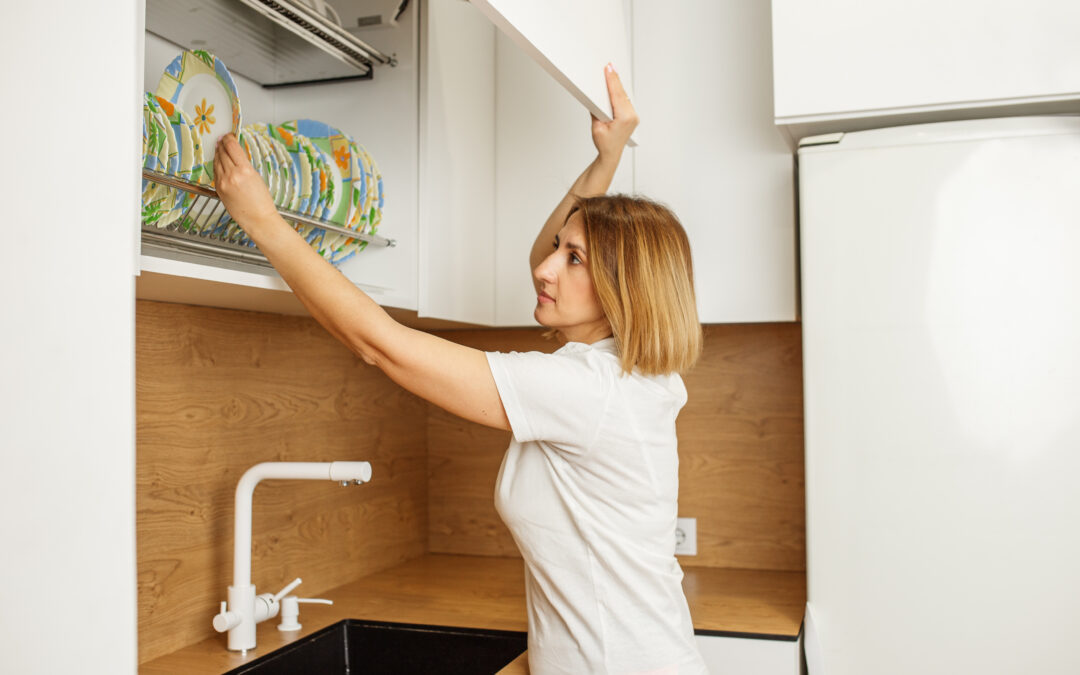
Kitchen cabinet organization can change the way your whole day feels, especially when the kitchen carries most family routines. When every mug, pan, and lunch container has a real home, cooking stops feeling like a scavenger hunt. A few useful changes can make the room easier to use without replacing a single cabinet.
Why Kitchen Cabinets Get So Crowded
Kitchen cabinets collect things faster than people expect. A few extra mugs arrive after a birthday, then mismatched food containers take over one shelf. Before long, baking pans lean sideways, spices disappear behind cereal boxes, and nobody knows where the measuring cups went.
Kitchen cabinet organization matters because a crowded kitchen makes basic tasks take longer. You might avoid cooking certain meals because the tools are too hard to reach. You may buy another box of foil because you cannot find the one already open. Little frustrations add up, especially on busy weeknights when everyone is hungry and patience is thin.
Most cabinet messes are not caused by laziness. They happen because kitchens change over time, while the cabinet layout stays the same. A family grows, a routine shifts, or a new appliance moves in. The old arrangement no longer fits, yet everything stays where it landed years ago.
Start With One Cabinet At A Time
Trying to organize every cabinet in one afternoon can leave your counters looking worse than before. Start with one cabinet that annoys you the most. It may be the container drawer, the baking shelf, or the cabinet under the sink that no one wants to open.
Take everything out and wipe down the empty space. Then sort items by how you use them, not by where they used to sit. Pull out duplicates, chipped dishes, expired food, and tools you forgot you owned. Kitchen cabinet organization becomes easier once you can see the real amount of stuff you are trying to store.
Put the most-used items back first. Anything you use daily should sit in an easy-to-reach place. Save the highest shelves for serving platters, holiday dishes, or appliances that only come out a few times each year. This approach makes the kitchen work with your habits instead of slowing you down.
Store Items Near Their Job
The best cabinet setup puts things close to where they are used. Plates and bowls should be near the dishwasher, if that is where they get unloaded. Pots and pans should live near the stove. Coffee mugs work best close to the coffee maker, while lunch containers belong near the counter where you pack them.
Kitchen cabinet organization often improves when you stop storing items by category alone. Think about the full task. If you make school lunches every morning, store containers, snack bags, and water bottles in the same general area. If baking is your weekend thing, keep flour, mixing bowls, and baking tools near one another.
This helps the kitchen feel less scattered. You waste less time crossing the room for one missing item. You also make it easier for children and partners to help, since the system follows the way meals get made and cleaned up.
Make The Most Of Deep Cabinets
Deep cabinets can become a black hole for cookware and small appliances. Things get pushed toward the back, then forgotten until you hear a clatter while looking for something else. The depth is useful, but it needs a little structure.
Use bins, pull-out shelves, or sturdy baskets to create smaller zones inside deep cabinets. Store smaller items in front where you can see them. Keep bulky appliances toward the back, as long as you still use them often enough to earn that space. A lazy Susan can help in corner cabinets, especially for oils, sauces, or pantry goods.
Kitchen cabinet organization does not require buying a truckload of new products. Start with what you already own, then add storage pieces only when they solve a specific problem. A few well-placed tools can make a cabinet easier to use without crowding it even more.
Fix The Food Container Problem
Food storage containers can take over a kitchen in record time. Lids wander off, containers multiply, and the cupboard turns into a plastic avalanche every time someone reaches for leftovers. It is one of those problems that makes people laugh until the third lid falls on their foot.
Pull every container and lid out at once. Match pieces, recycle damaged containers, and let go of extras you never use. Keep a reasonable number for your household, then store lids upright in a divider or narrow bin. Nest matching containers together so they use less room.
Kitchen cabinet organization gets much easier when this cabinet has a firm limit. Once the space is full, avoid adding more containers without removing something first. That keeps the problem from slowly returning after a few grocery runs.
Give Everyday Items The Best Shelves
Not every item deserves prime cabinet space. The mugs you use each morning, the bowls your kids reach for, and the pans you cook with several nights a week should be within easy reach. Grandma’s special china can take the higher shelf because it comes out for holidays, not Tuesday tacos.
This small adjustment makes a kitchen feel more natural to use. It also stops less-used items from blocking the things you need every day. Kitchen cabinet organization is about reducing the little pauses that make cooking feel annoying.
Pay attention to what your family reaches for again and again. Your cabinet layout should match those patterns. If you regularly move an item from one spot to another before using it, that is a clue that its home needs to change.
Create A Simple Snack Zone
A snack zone can help busy families keep food from spreading across cabinets. Pick one low shelf or cabinet for snacks that kids can reach without needing help. Keep individual portions, crackers, fruit cups, and simple grab-and-go items in open bins or labeled baskets.
This system gives children some independence while keeping the rest of the pantry from getting picked apart. It also makes grocery restocking easier because you can see what is running low. Kitchen cabinet organization can make after-school hunger a little less dramatic, and that is no small win.
If your kitchen feels packed beyond what a quick reset can handle, our professional organizing services can help build a system around your family’s routines.
Stop Under-Sink Clutter From Spreading
The cabinet under the sink often becomes a hiding place for cleaning supplies, extra bags, old sponges, and random items nobody knows what to do with. Water lines and pipes make the space awkward, but it can still be useful.
Remove everything and check for leaks or expired products. Keep only the cleaners you use. Store them in a small caddy so you can pull everything out without crawling around on the floor. Trash bags can go in a holder or basket near the front.
Kitchen cabinet organization should make this spot safer too. Keep cleaning products out of reach of small children, using a lock if needed. A clean under-sink area saves time during spills because the supplies are easy to grab.
Create A Kitchen That Supports Your Routine
A kitchen should feel like it understands your household. If you cook large meals on weekends, you need access to bigger pots and serving bowls. If your household relies on quick lunches, you need a spot that supports packing food without a mess. Your cabinets should reflect how your family truly lives.
We often see homes where cabinet space is available, but it is not being used in a helpful way. The solution is rarely more storage. Often, it comes down to moving items, removing extras, and giving each cabinet one real purpose. Our gallery shows how practical storage systems can transform spaces without making them look overdone.
If you want support for a larger kitchen project, our rates and packages explain the organizing options available. We can work with you or take the lead, depending on the kind of help that feels right.
FAQs
Where should I start with kitchen cabinet organization?
Start with the cabinet that causes the most frustration during a normal week. That might be the food container cabinet, the baking shelf, or the pots and pans area. A visible improvement gives you momentum for the next space.
How do I organize cabinets with very little space?
Remove duplicates and keep only the items you use often. Use vertical space with shelf risers, bins, or dividers when they fit the cabinet. Store less-used serving pieces elsewhere, if possible, so daily tools have room.
What should go in upper kitchen cabinets?
Upper cabinets are good for glasses, dishes, pantry items, and lighter equipment. Keep the items you use most on lower shelves, where they are easier to reach. Reserve high shelves for occasional items that do not need daily access.
How can I stop food containers from becoming cluttered again?
Keep only matched containers and lids that fit your household’s needs. Use a divider or small bin to store lids upright. Do a quick check every few months, then recycle pieces that are damaged or missing matches.
Do I need expensive organizers for my kitchen cabinets?
No, you can create a better setup with simple bins, baskets, and dividers. Focus on how you use the space before buying products. The right product solves a problem, while extra storage pieces can create more clutter.
Can a professional organizer help with kitchen cabinets?
Yes, we organize kitchens and pantries with systems built around your household routines. We help sort items, create zones, and make cabinets easier to maintain. You can read our client success stories to see how organized homes can support everyday life.
Make Every Cabinet Count
A better kitchen does not require a renovation or another weekend spent fighting overflowing shelves. Contact Streamlined Living CO through our contact page or call 303-501-2496, and we will help your cabinets work harder for you.